MING CHI UNIVERSITY OF TECHNOLOGY

A campus for
energy in practice.

I lead our research team in planning, development and system integration, working with our partners to connect three campus energy resources with research, teaching and industry exchange.

TAIWAN   ·   Taishan, New Taipei City · Taiwan

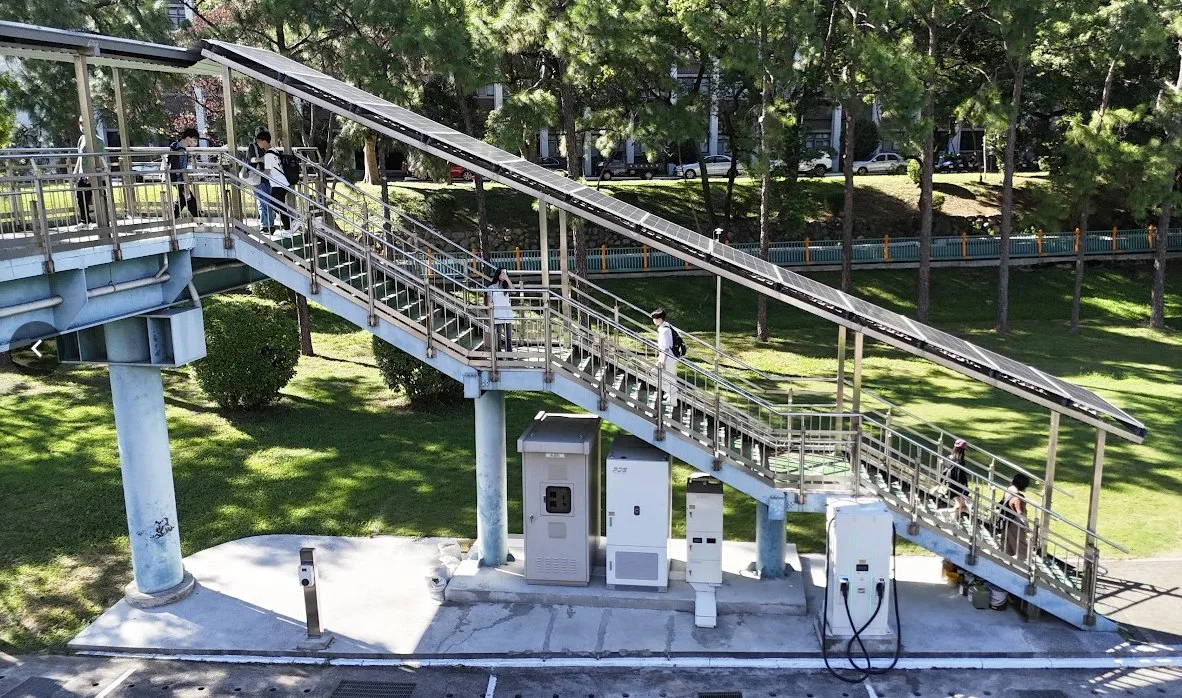
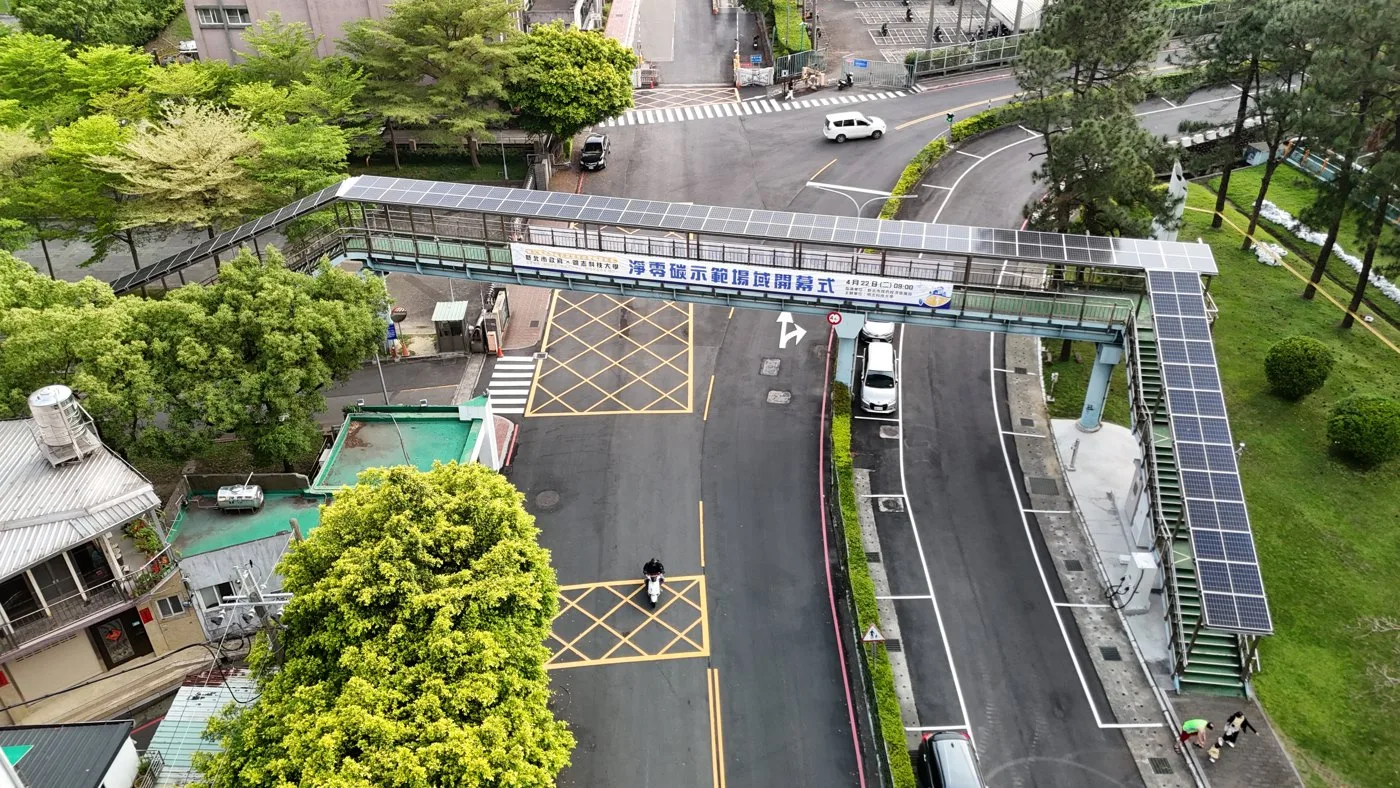
Photovoltaic installation on the campus pedestrian bridge
01 / Photovoltaic installation on the campus pedestrian bridge

01 / FIELD OVERVIEW

One campus. Three energy resources.

Photovoltaics, battery storage and charging loads provide a physical setting for research and teaching.

01

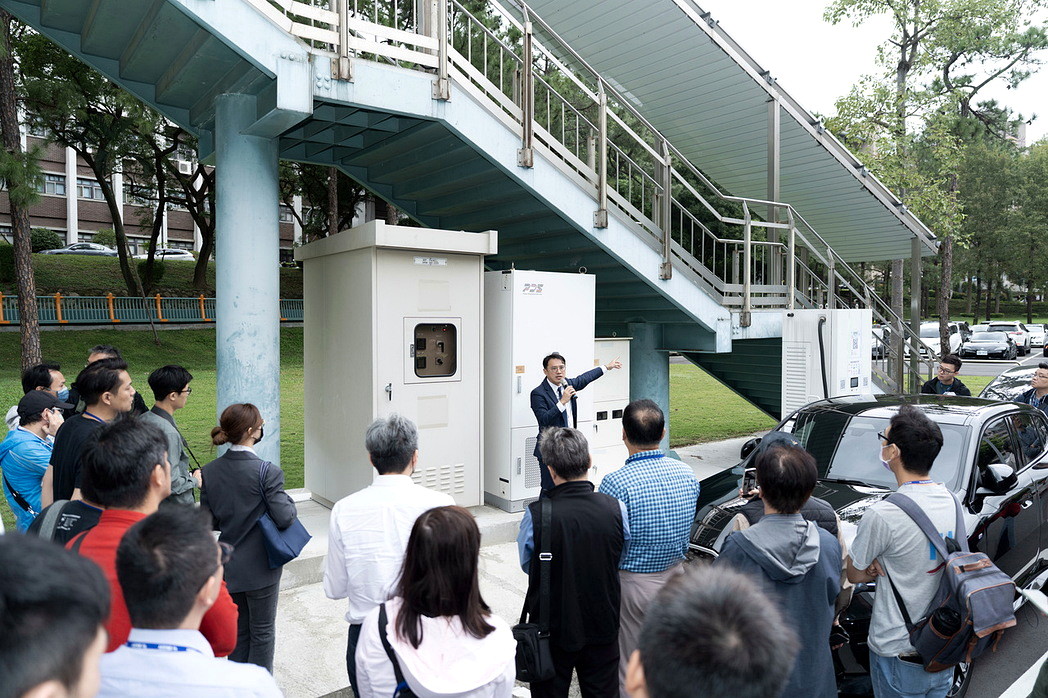
Pedestrian bridge microgrid

Campus bridge PV, battery storage and DC/AC charging loads support the study of integrated energy systems.

Photovoltaics
30 kW
Storage power / energy
100 kW / 200 kWh
DC fast charging
180 kW × 1 station
AC charging
7 kW × 5 chargers
Explore the specifications ↗
02

EE building nanogrid

A small-scale PV, storage and charging installation for teaching and energy monitoring.

Photovoltaics
3.2 kW
Storage power / energy
5 kW / 10 kWh
AC charging
7 kW × 1 charger
Explore the specifications ↗
03

Lab126 battery storage

Located in Electrical Engineering Lab126, this battery system supports management of the building’s demand on the campus supply.

Storage power / energy
30 kW / 100 kWh
Location
Electrical Engineering Lab126
Application
EE building demand
Explore the specifications ↗

FIELD RECORD / 2025

A record of development, exchange and education.

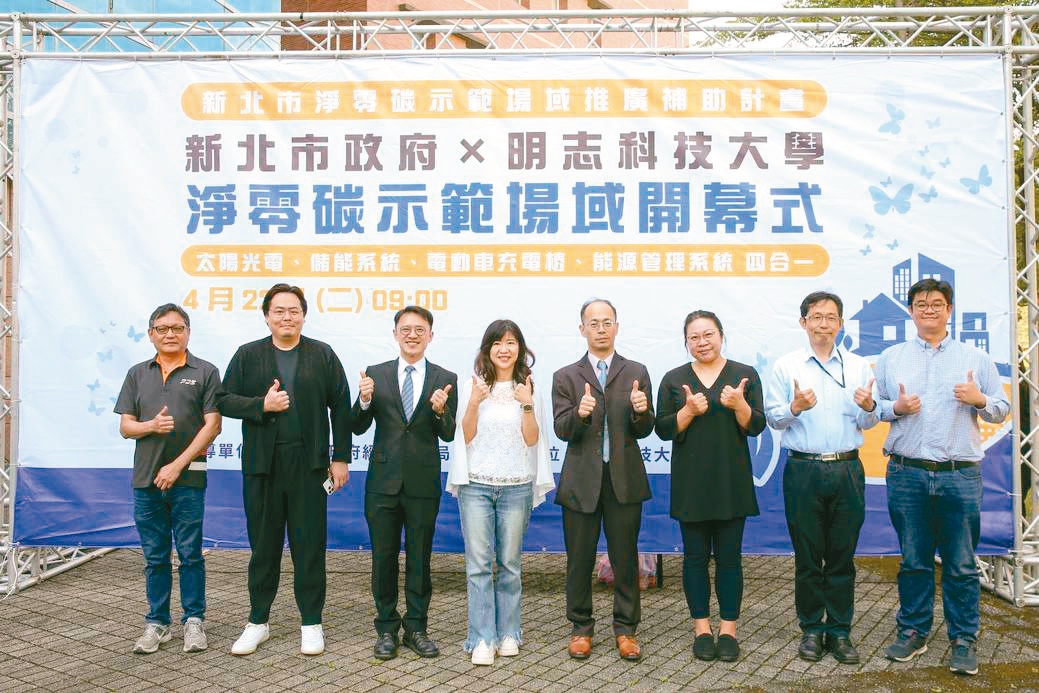
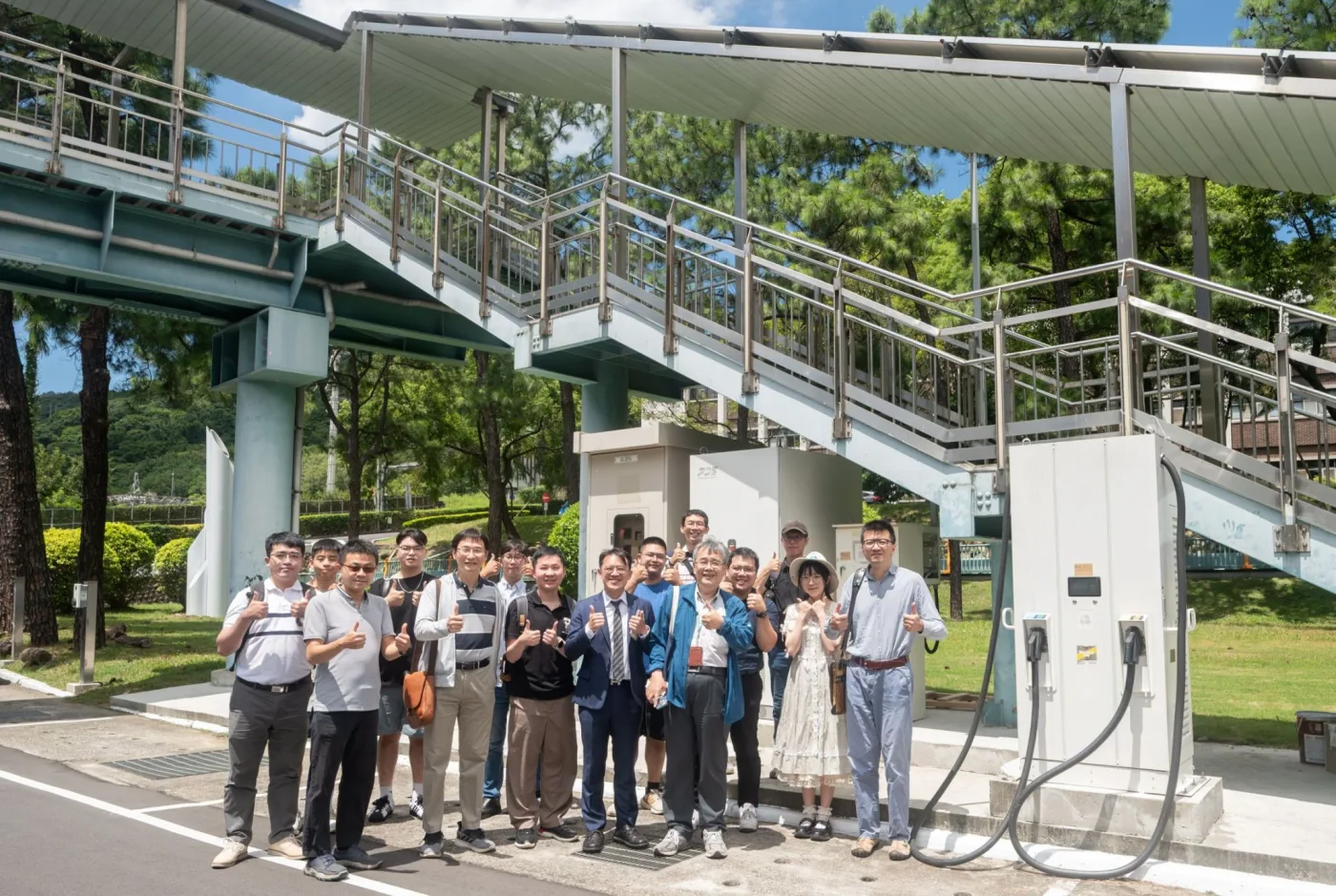
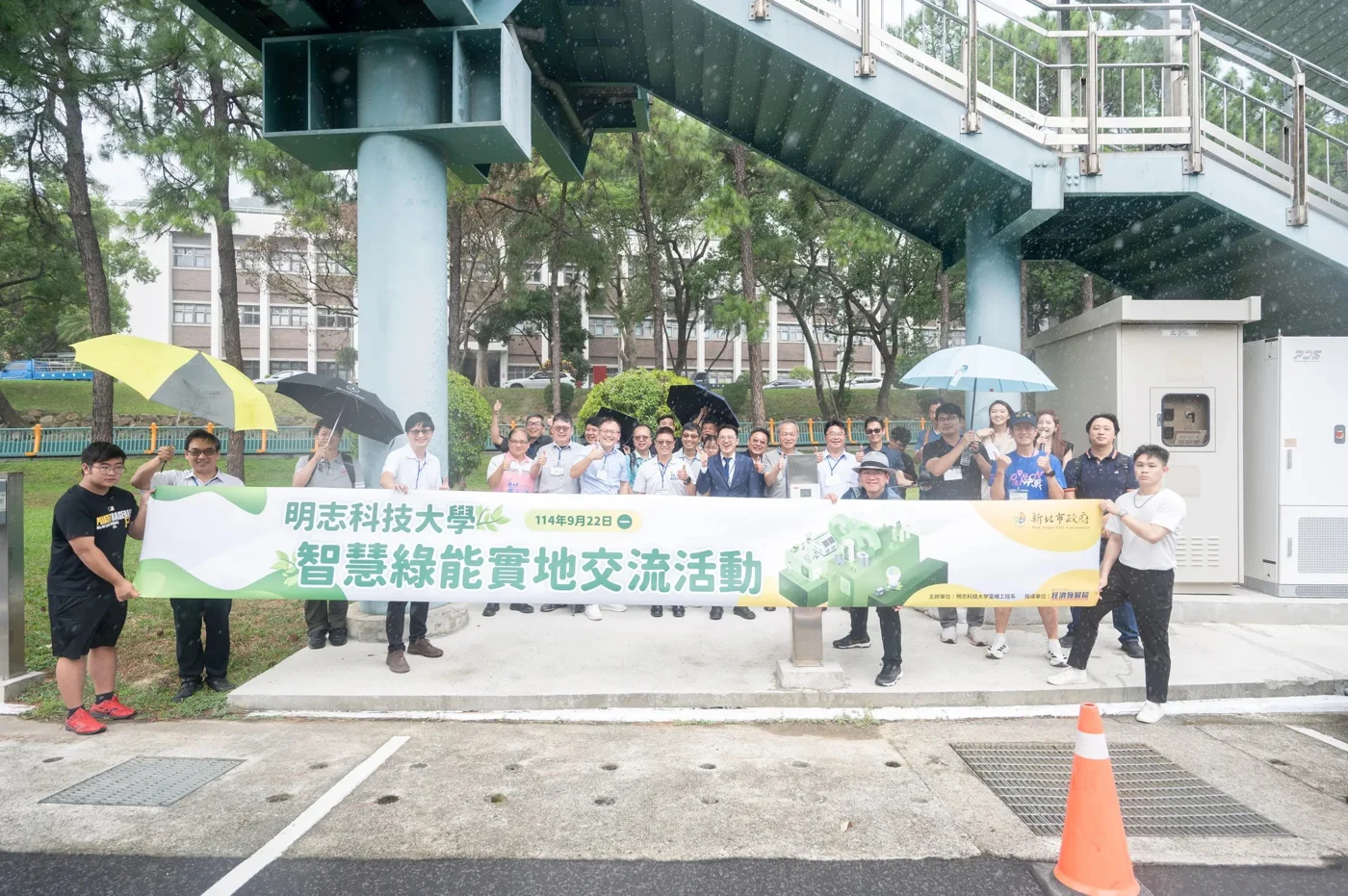
Explore the inauguration, net-zero project exchange, school-principals visit and building-industry exchange.

Photovoltaic installation on the campus pedestrian bridge

02 / FIELD TO RESEARCH

Monitoring and control scope

We monitor all three campus energy resources through one EMS. Operation is currently manual, with load and PV generation forecasting deployed. This development and operating experience supports our ongoing work on energy management and control strategies.

Research →

03 / OPEN COLLABORATION

Start with a research question.

We welcome discussions with universities, research institutes and industry teams.

EMS control strategies, forecasting comparisons, and coordination of storage and charging loads.

Discuss a collaboration ↗